Prevent A Home Disaster If Using Space Heaters

Space heaters offer a convenient and effective way to heat various areas such as garages, bedrooms, and workspaces like offices or shops. However, it is crucial not to overlook the potential dangers associated with these devices, particularly the risk of starting fires. Shockingly, the U.S. Consumer Product Safety Commission reveals that over 25,000 residential fires are caused annually by portable space heaters. Even more alarming, an estimated 300 individuals lose their lives each year due to fires caused by improper usage of space heaters. Additionally, thousands of people suffer from burn injuries that require hospital treatment, all stemming from the mishandling or improper use of these heating devices.

To ensure your safety when operating a space heater, regardless of its type, it is vital to adhere to the safety and operational instructions provided by the manufacturer. When purchasing a space heater, consider the following factors:

  • Ventilation: If you are buying propane or kerosene heaters, determine whether adequate ventilation is required.
  • Safety Certification: Check whether the unit you intend to purchase carries the “Underwriter’s Laboratory (UL)” label. UL is a respected global safety science company that has been pioneering safety solutions for over a century, including the safe adoption of electricity.
  • Thermostat Function: Does the unit have a built-in thermostat to regulate the temperature?
  • Tip-Over Safety Feature: Ensure that the space heater you choose includes a safety mechanism that automatically disables the device if it tips over.
  • Placement Considerations: Make sure your space heater can be positioned away from flammable materials, children, and pets.
  • Avoid Unattended Use: Never leave your space heater running overnight or unattended.

By utilizing space heaters properly, you can efficiently heat your living spaces while conserving energy. However, always remember to follow safety guidelines diligently and avoid leaving the device unattended or accessible to children. By practicing responsible space heater usage, you can enjoy the benefits of a warm environment while mitigating the risk of costly fires in your home.

As an Independent insurance agency, we are professionals who work independently, representing multiple insurance companies to provide clients with a wide range of coverage options tailored to your specific needs.

We act as your trusted advisors, offering personalized guidance and assistance in navigating the complex world of insurance, helping you make informed decisions about your coverage.

If you’d like to work with our agency, simply reach out and we’ll pair you with an agent for your personal and commercial needs.


Educate your teen driver on the “5 to drive” principles.

Teen Driver InsuranceThe National Highway Traffic Safety Administration (NHTSA) states that auto accidents are the leading cause of death for teenagers aged 15-19 in the United States. To combat these statistics, parents should have open conversations with their children about the risks associated with driving and emphasize the “5 to Drive” rules.


It’s crucial for parents to lead by example when it comes to following these five rules. If parents don’t adhere to the rules themselves, teenagers may not take them seriously. Take the time to educate your teen on the significance of each rule, using real-life scenarios and statistics to drive home the importance of the “5 to Drive” principles.

Five Principles to Discuss with Your Teen Driver

Alcohol: Discuss the dangers of drinking and driving with your teenager. Highlight the severe consequences such as jail time, loss of driver’s license, and fines that can result from accidents involving alcohol.

Make an agreement with your teen that you will pick them up if they find themselves in a situation involving alcohol, emphasizing the importance of preventing drinking and driving.

Seatbelts: Emphasize the habit of wearing seatbelts for safety. According to the NHTSA, 64 percent of young passengers and teen drivers who didn’t wear seatbelts died in motor vehicle accidents.

Train your teenager to buckle up every time they get into a vehicle until it becomes second nature.

Texting: It’s crucial to address the dangers of texting while driving. Distracted driving accidents continue to claim lives each year.

Teach your teen to put their cell phone away before getting behind the wheel or delegate any urgent texting tasks to a passenger.

Speeding: Reinforce the importance of following speed limits. Remind your teenager that when speed doubles, stopping distance quadruples.

In 2013, nearly one-third of teen drivers involved in fatal crashes were speeding, according to statistics.

Extra Passengers: Inform your teenager about the increased risk of fatal crashes when there are more passengers in the vehicle. Some states have restrictions on the number of passengers allowed for teenage drivers.

Familiarize yourself with your state’s Graduated Driver Licensing (GDL) law to ensure compliance.

Remember that you have the greatest influence on your teenager’s safety behind the wheel. Show that you care about their well-being and have meaningful discussions about the dangers of driving.

Furthermore, it is essential to lead by example and follow the five rules yourself. By continuing to educate and guide your teenager, you can help shape them into responsible and conscientious drivers.

A Plumber’s Nightmare

In the world of plumbing, where quick and efficient service is essential, the importance of having the right insurance coverage cannot be overstated. Plumbers face various risks on the job, from accidental property damage to bodily injuries. Selecting the right insurance agent is crucial for ensuring that these risks are adequately covered. Unfortunately, not all insurance agents are created equal, as one unfortunate plumber discovered when they chose the wrong partner to protect their business.

Our protagonist, let’s call him Mike the Plumber, was an experienced professional with a thriving plumbing business. Recognizing the importance of insurance coverage, Mike diligently sought out an insurance agent to provide him with the necessary protection. Little did he know that this decision would lead to a series of complications that would test the resilience of his business.

Upon selecting an insurance agent, Mike expected a seamless process of obtaining Certificates of Insurance (COIs) – crucial documents that demonstrate proof of coverage. However, what unfolded was a slow and frustrating experience that would leave any business owner questioning their choice.

Days turned into weeks, and Mike found himself repeatedly chasing his insurance agent for the required certificates. The delays began to take a toll on his business operations, causing disruptions and eroding the trust of his clients. The nightmare intensified as Mike realized that the tardiness of his insurance agent was jeopardizing his professional relationships and putting his reputation at risk.

As the delays persisted, the consequences snowballed. Mike started to face challenges in acquiring new clients, as they demanded proof of insurance before allowing him to commence work. Existing clients, frustrated with the delays, began to look elsewhere for plumbing services. The financial strain on Mike’s business was palpable, and he realized that his choice of insurance agent was affecting not only his peace of mind but also the bottom line of his enterprise.

Recognizing the urgency of the situation, Mike decided to take matters into his own hands. He researched alternative insurance providers, looking for an agent who could provide timely and reliable service. In doing so, he discovered the importance of thoroughly vetting insurance agents before entering into partnerships.

Mike’s story serves as a cautionary tale for plumbers and business owners alike. Choosing the wrong insurance agent can have far-reaching consequences, impacting not only the financial stability of the business but also its reputation and client relationships. The lesson here is clear: when it comes to insurance, reliability and efficiency matter just as much as coverage. Plumbers must take the time to research and select an insurance partner who understands the urgency of their needs and can provide the necessary documents promptly. After all, in the world of plumbing, time is money, and delays can prove to be a costly mistake.

How to lower your risk for a dog bite claim

Dog Bite ClaimDog bites can result in significant financial costs, with insurance companies paying out over $400 million annually for dog bite claims, according to the Insurance Information Institute. However, what’s even more alarming is that approximately $600 million exceeds the limits of home insurance policies. To safeguard yourself from potential out-of-pocket expenses stemming from a dog bite incident, it is crucial to ensure adequate coverage limits and consider obtaining an umbrella insurance policy.

While owning a dog can bring immense joy, it is essential to be aware of potential risks and take precautions to prevent dog bites. Dogs can become agitated or aggravated by small children pulling their hair, or tail, or accidentally stepping on them. As responsible pet owners, it is our duty to closely monitor our pets and never leave a dog alone with small children. Even if a dog is provoked, it remains the owner’s responsibility to prevent the pet from biting someone. While many claims involve minor bites that only require first aid, the resulting damage can still be severe, such as nerve damage in the hands or feet.

The Insurance Information Institute outlines three types of laws concerning pet liability:

Dog-bite statute: Under this statute, dog owners are automatically held liable for any injuries or property damage caused by their dogs, even without provocation.

“One-bite” rule: In certain states, owners are not initially held liable for the first bite their dogs inflict. However, once an animal demonstrates vicious behavior, such as biting or displaying a “vicious propensity,” the owner can be held liable. Some states have moved away from the one-bite rule and impose liability on owners for any injury, regardless of whether the dog has previously bitten someone.

Negligence laws: According to negligence laws, dog owners are held liable if an injury occurs due to their unreasonable carelessness in controlling the dog.

While it is essential to understand the specific dog bite liability laws in your state, prevention is always the best approach. The Humane Society provides several guidelines to avoid dog bites. Since dogs cannot communicate verbally, it is crucial to pay attention to their body language. Warning signs that a dog may be uncomfortable include

  • a stiff tail,
  • pulled-back ears,
  • intense stare,
  • backing away
  • visible signs of injury.

It is important not to take toys away from a dog abruptly, as this can provoke aggression. When someone asks to pet your dog, politely ask them to allow the dog to smell them first to ensure the dog is comfortable with the interaction. If your dog reacts negatively to someone, it is perfectly acceptable to inform that person that it is not a good idea to approach the dog.

While we hope that your beloved pup never bites anyone, unfortunate incidents can occur. Ensuring that your home insurance limits are adequate and considering the purchase of an umbrella insurance policy can provide additional protection for your finances in the event of such an incident.

Why Landscapers Need Liability Insurance

Landscaping is a thriving industry that beautifies outdoor spaces and enhances the value of properties. Whether you are a seasoned landscaping professional or just starting your own landscaping business, one thing you shouldn’t overlook is general liability insurance. In this blog, we will explore the reasons why landscapers need general liability insurance and how it can protect both you and your business.

  1. Protection Against Property Damage

Landscapers often work on clients’ properties, handling tools and heavy equipment. Accidents can happen, and these accidents may result in damage to the client’s property, such as broken windows, damaged plants, or even structural damage. Without general liability insurance, you may be held financially responsible for repairing or replacing the damaged property. General liability insurance can cover these costs, saving you from a substantial financial burden.

  1. Coverage for Bodily Injuries

Another common risk in the landscaping business is bodily injury. If a client or a passerby sustains an injury on your work site, whether from falling equipment or tripping over debris, you could be liable for their medical expenses and legal fees. General liability insurance can provide protection in such cases, covering the injured party’s medical bills and protecting your assets from potential lawsuits.

  1. Protection Against Lawsuits

Even the most careful landscapers can find themselves facing legal disputes. If a client believes your work did not meet their expectations or that you caused damage to their property, they might decide to take legal action against your landscaping business. Without general liability insurance, you could end up spending a significant amount of money defending yourself in court. This insurance can help cover your legal defense costs, including attorney fees, and potentially save your business from financial ruin.

  1. Reputation Management

Protecting your landscaping business’s reputation is crucial. When you have general liability insurance, you can demonstrate to potential clients that you are a responsible and professional business owner who takes their clients’ well-being seriously. Clients are more likely to trust and hire a landscaper who is adequately insured, which can help grow your business and maintain a positive image in your community.

  1. Compliance with Contracts and Regulations

Many clients and commercial projects require landscaping contractors to have general liability insurance to be considered for the job. By having this insurance in place, you can meet these requirements and access a wider range of job opportunities. It’s an essential aspect of being a reliable and competitive landscaper.

In the landscaping business, unexpected accidents and disputes can happen, and without general liability insurance, the financial consequences can be devastating. Protecting your business and assets should be a top priority. General liability insurance not only safeguards your financial well-being but also enhances your professional image and helps you comply with client requirements and regulations. As a responsible landscaper, investing in this type of insurance is a wise decision that can help your business thrive and continue to beautify outdoor spaces for years to come.

Cyber Insurance

In today’s digital age, contractors are not just wielding hammers and saws; they are also navigating complex virtual landscapes. With the increasing reliance on technology, it’s crucial for contractors to safeguard their digital toolbox. Cyber insurance is the protective shield that every contractor should consider to mitigate risks associated with the ever-growing cyber threats. In this blog, we will delve into the world of cyber insurance for contractors, exploring what it is, why it’s essential, and how to choose the right policy.

Understanding Cyber Insurance

Cyber insurance, often referred to as cyber liability insurance or cyber risk insurance, is a specialized policy designed to protect businesses from losses resulting from cyberattacks, data breaches, and other digital threats. It goes beyond just protecting sensitive information; it covers the financial impact of the breach, such as legal expenses, reputation management, and recovery efforts.

Why Contractors Need Cyber Insurance

  1. Protecting Sensitive Data: Contractors deal with a wealth of sensitive information, including project blueprints, client data, and financial records. A data breach can expose this information, leading to legal ramifications and reputation damage. Cyber insurance helps cover the costs of managing and mitigating such incidents.
  2. Regulatory Compliance: Various industries have strict regulations concerning data protection. Contractors may be obligated to comply with these regulations when handling client data. Failing to do so can result in fines and legal penalties, which cyber insurance can help cover.
  3. Ransomware and Extortion: Cyberattacks often involve ransomware, where hackers encrypt critical data and demand a ransom for its release. Cyber insurance can cover the ransom and associated costs, enabling contractors to recover their data without bearing the full financial burden.
  4. Business Interruption: A cyberattack can disrupt a contractor’s operations, leading to financial losses. Cyber insurance can compensate for income loss and help with the costs of getting the business back on track.
  5. Reputation Management: Rebuilding trust after a data breach is a long and challenging process. Cyber insurance often covers reputation management efforts, helping contractors regain the confidence of their clients and stakeholders.

Choosing the Right Cyber Insurance Policy

  1. Evaluate Your Risk: Contractors vary in size and complexity, and so do their cyber risks. Assess your digital vulnerabilities, the type of data you handle, and your budget for insurance. This will help you determine the level of coverage you need.
  2. Understand the Coverage: Different cyber insurance policies offer various types of coverage. Some may focus on data breach expenses, while others also cover business interruption or reputation management. Make sure you understand what each policy covers and choose one that aligns with your specific needs.
  3. Research Insurance Providers: Look for insurance providers with experience in cyber insurance for contractors. Read reviews and seek recommendations from fellow contractors or industry associations. A reputable provider will guide you through the process and provide expert advice.
  4. Customization: A one-size-fits-all approach won’t work for contractors. Seek an insurance policy that can be customized to address your unique needs and risks.
  5. Cost vs. Coverage: Compare the costs of different policies with the extent of coverage they offer. Keep in mind that a more expensive policy might provide better protection in the long run.

Conclusion

In the digital age, contractors need to protect their digital toolbox just as diligently as their physical tools. Cyber insurance is a vital investment in safeguarding your business against the ever-present threat of cyberattacks. By understanding your risks, choosing the right coverage, and working with a reputable provider, you can ensure that your contracting business is well-prepared to face the challenges of the digital world while continuing to thrive in your real-world projects. Remember, when it comes to cyber insurance, prevention is not just better than a cure; it’s essential for the survival of your business.

Keeping Your Home Safe From Carbon Monoxide

Keeping Your HOme Safe From Carbon MonoxideOur homes serve as sanctuaries, providing us with comfort, relaxation, and a treasure trove of cherished memories. Given the significance of our homes, it becomes imperative to protect them from a range of potential dangers, including fires, theft, and an often underestimated threat: carbon monoxide (CO).
Carbon monoxide is an insidious gas that lacks odor and color. It is produced when fuels like wood, oil, natural gas, and propane are not burned efficiently. Common household equipment, such as generators, lawnmowers, barbecues, and furnaces, can be sources of carbon monoxide emissions.

Startling statistics from the Consumer Product Safety Commission reveal that each year, carbon monoxide poisoning claims the lives of 170 people in the United States alone. Such fatalities occur due to equipment malfunctions or when these products are used in inadequately ventilated spaces, such as enclosed rooms.

Recognizing the symptoms of carbon monoxide poisoning, as listed by the Centers for Disease Control, is crucial. They include headaches, dizziness, vomiting, chest pain, and confusion. Prompt action is necessary to prevent further harm.

The encouraging news is that safeguarding your family against carbon monoxide poisoning is relatively straightforward. By following these essential tips, you can significantly reduce the risk:

Regularly have your gas-burning furnace, water heater, and fireplace professionally serviced. An expert will ensure that these appliances are functioning correctly and are adequately vented.

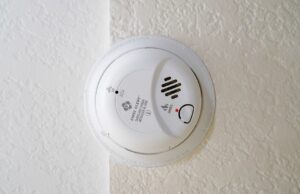
Install carbon monoxide detectors on every floor of your home. If you reside in a newly constructed house, apartment, or condominium, these detectors are likely already in place. For an added layer of protection, consider placing a CO alarm in each bedroom.

Never leave a car idling in a garage, as this can lead to a dangerous buildup of carbon monoxide.

Keep portable generators at least 20 feet away from any open windows to prevent fumes from seeping indoors.

Never utilize a charcoal barbecue inside a home, tent, or camper. Always ensure proper ventilation when using such equipment.

Under no circumstances should you employ a gas oven to heat your home. This can generate copious amounts of carbon monoxide and pose a severe risk.

The installation of even a single carbon monoxide detector can potentially save lives. If you are renting a home or apartment lacking such a detector, kindly request your landlord to provide one. Many states mandate the installation of carbon monoxide detectors in residential properties, recognizing their life-saving potential.

By prioritizing carbon monoxide poisoning prevention measures, you are taking a vital step towards safeguarding your family and ensuring the continued sanctity of your home.

How to Properly Maintain and Care for a Fire Extinguisher in Your Home

How to Properly Maintain and Care for a Fire Extinguisher in Your HomeYour home is not just a structure; it is a sanctuary where memories are made, families are raised, and friends are welcomed. Ensuring the safety of everyone who enters your home should always be a top priority. One crucial element of home safety is having a fire extinguisher readily available in case of emergencies. However, simply owning a fire extinguisher is not enough. It is vital to regularly inspect and maintain it to ensure its effectiveness during a fire. By following these tips, you will be well-prepared and equipped to handle a fire emergency.

Monthly Inspection:

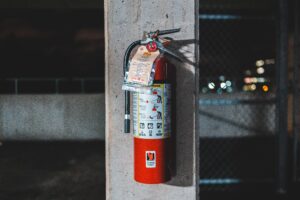
Performing a monthly inspection of your fire extinguisher ensures that the canister is fully charged and ready to be used in case of a fire. Start by checking for any visible damage on the extinguisher and examine the charge meter, usually a green to red indicator located near the top. Regular inspections will help you ensure that your fire extinguisher is in good condition and where you left it.

Maintenance:

Although fire extinguishers require minimal maintenance, it is essential to dedicate at least one annual maintenance session. Like any pressurized system, the canister gradually loses pressure over time. Verify that your extinguisher is fully charged, and if necessary, have it recharged or replace it altogether.

Additionally, consider the following points during maintenance:

Accessibility: Ensure that your fire extinguisher is easily accessible and not obstructed by any objects that might impede your access during an emergency.

Gauge Reading: Check if the needle on the extinguisher’s gauge is pointing to the green zone, indicating that it is properly charged.

Nozzle Condition: Examine the condition of the nozzle. If it appears damaged, replace the entire extinguisher to guarantee its functionality.

Pin Integrity: Make sure the pin is intact and in good condition. If it shows signs of damage, replace the extinguisher.

Canister Condition: Inspect the canister itself for dents, rust, or any obvious signs of leaks. If any such signs are present, replace the extinguisher immediately.

Maintaining your fire extinguishers in optimal working order is a vital step toward ensuring the safety of your home and its occupants. It also serves as a proactive measure to avoid costly homeowner’s insurance claims and emotional distress caused by fire-related incidents.

In addition to maintaining your fire extinguishers, it is crucial to educate yourself and your family members about their proper usage. Familiarize yourself with the “PASS” technique:

  • Pull the pin to unlock the extinguisher.
  • Aim the nozzle at the base of the fire.
  • Squeeze the handle to discharge the extinguishing agent.
  • Sweep the nozzle from side to side to cover the fire completely.

Regularly reviewing fire safety protocols and conducting fire drills with your family will further enhance your preparedness and ability to respond effectively in case of a fire emergency.

Remember, a fire extinguisher is not a “set it and forget it” safety tool. It requires periodic attention and care to ensure its reliability. By incorporating these practices into your routine, you are taking a proactive approach to home safety, protecting your loved ones, and safeguarding your cherished memories for years to come.

Don’t cancel your insurance: protect your seasonal toys year-round

As the summer season comes to a close, you may be tempted to cancel your insurance policies on your summer toys like motorcycles, RVs, boats, and ATVs. However, it’s important to consider the potential risks and expenses that could arise during the off-season.
While you may not be actively using these vehicles, they can still be vulnerable to damage, theft, or accidents that would require an insurance claim.

Here are some reasons why it’s advisable to keep your insurance policies in effect even when your toys are parked:

Comprehensive Insurance Claims: Even when your vehicles are securely stored, theft or vandalism can occur at any time. Without comprehensive insurance coverage, you would be responsible for covering the costs of repairs, repainting, or even replacing your toys out-of-pocket.

Additionally, catastrophic events like floods or fires can happen during the off-season, and having comprehensive insurance can provide the necessary assistance from your insurance carrier.

Liability Insurance Claims: Accidents can happen unexpectedly, even if your toy is safely parked. For example, someone at a party at your home decides to take a picture on your Harley and accidentally falls, damaging both themselves and your bike. In such cases, you may be held legally responsible for their injuries, even if you didn’t give them permission to use the vehicle. Without liability insurance, you would be liable for their medical bills and recovery costs.

Other potential claims scenarios to consider include:

  • A storm knocks over a tree onto your parked camper (Comprehensive claim).
  • Hail damages your vehicle (Comprehensive claim).
  • Your garage catches fire and burns your motorcycle, boat, or ATV inside (Comprehensive claim for the vehicle, not covered by home insurance).
  • Your RV or boat is damaged while parked in an off-season storage facility, and the responsible party leaves without providing their information.
  • A thief vandalizes your vehicle while looking for valuable items.

These examples demonstrate the various risks that can occur during the off-season. Some insurance carriers offer premium adjustments to reflect the high and low seasons of vehicle usage.

By keeping your motorcycle insurance, RV insurance, ATV insurance, or boat insurance in effect year-round, you not only avoid costly out-of-pocket expenses but may also be eligible for premium savings.

Speak with your insurance agent today to discuss the benefits of maintaining comprehensive and liability insurance coverage on your summer toys throughout the year. Don’t let the off-season leave you vulnerable to financial burdens.

Moving Trucks & Uhaul Type Insurance

Insurance for UhaulsWhen you rent a moving truck, one of the common dilemmas is whether to purchase insurance from the rental company. However, the need for insurance depends on various factors, including the type of vehicle you rent and your existing insurance coverage. Let’s explore this topic further to help you make an informed decision.

Most rental car companies offer collision and comprehensive coverage, which is aimed at protecting the rented vehicle. In many cases, if you have a personal auto policy, it may already cover the usage of a temporary replacement vehicle, typically up to 12,000 gross vehicle weight (GVW). However, if the rented vehicle exceeds this weight limit, it would likely be excluded from coverage. Another factor to consider is whether the truck’s cab is separated from the bed, as this can also create an exclusion from coverage under most auto insurance policies.

When it comes to truck rental companies, they generally provide four types of coverage options:

Damage Waiver: This coverage protects you in the event of damage to the rented truck. If you decline this coverage, you become responsible for any damage to the vehicle, regardless of fault. It’s important to note that depending on the extent of the repairs required, you may also be held accountable for the loss of use of the vehicle.

Liability Coverage: This coverage comes into play if you cause damage to someone else’s property or injure another person while driving the rented truck. While your personal auto policy may provide some coverage, it’s essential to contact your insurance provider in advance to confirm the extent of coverage. Remember, each insurance company has different policies and requirements.

Cargo Coverage: It’s crucial to understand that your personal auto policy does not cover any cargo you are transporting in the rented truck. If you are carrying valuable items during the move, you might consider purchasing cargo coverage, especially if the value of the cargo is significant. However, if you are transporting items that are less likely to be damaged, such as a mattress, it might be wise to save your money and forgo this coverage. Ultimately, the decision depends on the nature and value of the items being transported.

Personal Injury Protection: This coverage, often referred to as no-fault insurance, can be utilized if you are involved in a motor vehicle collision, regardless of the vehicle you are traveling in. It provides coverage for medical expenses and other related costs resulting from the accident.

Please note that this article serves as general information and should not be taken as specific advice. Each insurance company operates differently, and coverage can vary significantly among carriers. To ensure that your specific situation is adequately covered, it is advisable to contact your insurance provider directly and speak with a licensed agent. They can provide personalized guidance based on your circumstances and clarify any concerns you may have about renting a vehicle.

Feel free to reach out to our office if you have any further questions. We are here to provide information and assist you, but it’s important to consult with a licensed insurance agent for comprehensive advice that aligns with your insurance carrier’s specific policies.